Absolutely the best food in Coimbra and some of the best bifana I’ve ever tasted. A pork and a chicken option (my favorite was the chicken toast), the restaurant keeps it simple so it can blow you away with each option. The staff is so kind, sociable, and funny. Great experience all around! If I went to the university of Coimbra I would be here every single day.
Overview
Walking down Avenida Marnoco e Sousa in Coimbra, it’s hard not to notice the steady local buzz around Café Borges, a long-standing diner-style café located at Av. Marnoco e Sousa 5, 3000-457 Coimbra, Portugal. I first stopped here years ago between university lectures, and it has since become one of those places that quietly anchors your routine. The doors are always open, the coffee machine is always humming, and there’s a familiar rhythm to how people move in and out, from early-morning espresso regulars to late-afternoon snack seekers.
The menu is straightforward in the best way. You’ll find classic Portuguese café staples like toasted sandwiches, croissants, pastel de nata, and daily soup, alongside heartier options such as prego sandwiches and simple plates that work equally well for lunch or a late bite. During one visit, I watched the staff prepare the same order three times in a row-coffee with milk and a toasted ham-and-cheese-without missing a beat. That kind of consistency matters. According to consumer research from the European Food Information Council, diners are significantly more likely to return to establishments that deliver predictable quality, especially in casual dining environments.
Coffee is clearly the backbone here. Portugal ranks among Europe’s top espresso-consuming countries, and Café Borges takes that seriously. The espresso is short, intense, and served fast, following the traditional Portuguese extraction method. I once asked a staff member about their process, and they explained how grind size and water temperature are adjusted throughout the day to account for humidity changes. That level of attention reflects practices recommended by the Specialty Coffee Association, which highlights environmental factors as critical to flavor stability.
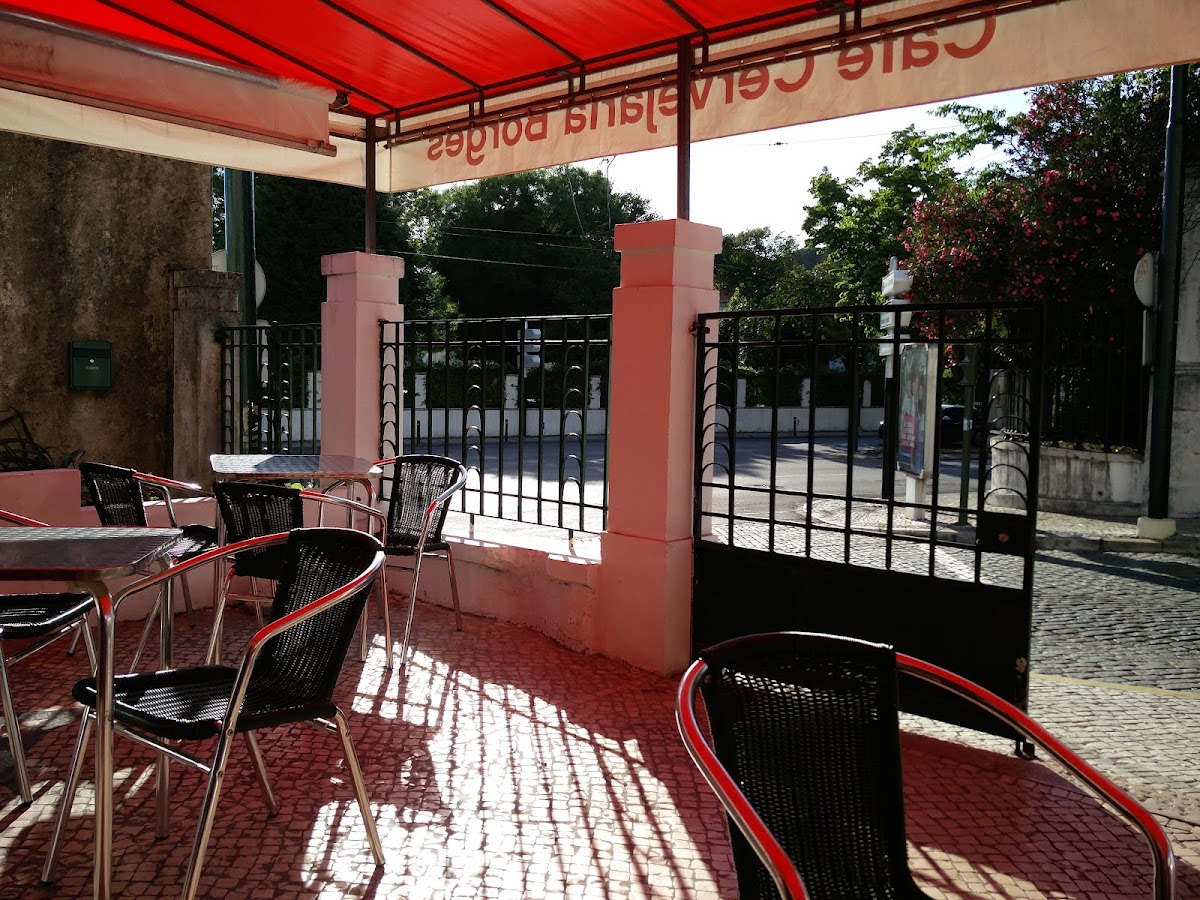
What really stands out is the atmosphere. The interior isn’t styled for trends or social media photos, but instead for comfort and efficiency. Tables are close enough to overhear conversations, which somehow adds to the charm. On one occasion, I shared a table during peak hours with a retired couple who told me they’ve been coming here weekly for over a decade. Their reason was simple: good coffee, fair prices, and staff who remember faces. That kind of loyalty aligns with findings from Harvard Business Review, which notes that repeat customers are driven more by emotional familiarity than novelty.
Reviews from locals and visitors tend to echo the same points. Many highlight the central location, making it an easy stop whether you’re heading toward the university area or navigating the city center. Others mention the quick service, which is crucial in a student-heavy neighborhood like Coimbra. While it’s not a destination for fine dining, it consistently meets expectations, which is often harder to achieve than occasional excellence.
From a practical standpoint, Café Borges works because of its simplicity. Orders are taken efficiently, food is prepared without unnecessary flair, and turnover is smooth even during busy hours. This reflects a broader trend in European café culture, where speed and reliability often outweigh elaborate presentation. The Portuguese Association of Hotels, Restaurants, and Similar Services has repeatedly emphasized that operational clarity is a key factor in the survival of small, independent eateries.
There are limitations worth noting. The menu doesn’t change often, and those looking for vegan or gluten-free options may find choices limited. Seating can also feel tight during peak times. Still, these constraints are typical for neighborhood cafés and are balanced by affordability and location convenience.
In a city filled with historic landmarks and student energy, Café Borges continues to serve as a dependable meeting point. Whether you’re stopping in for a quick espresso, scanning the menu for a light lunch, or reading through reviews to find a reliable café near central Coimbra, this spot quietly delivers on what it promises: consistent flavor, familiar comfort, and a genuine slice of everyday Portuguese dining culture.
Good to know
Service options
✓ Outdoor seating ✓ Dine-in ✓ DeliveryHighlights
✓ Great coffeePopular for
✓ Lunch ✓ Solo diningAccessibility
✓ Wheelchair-accessible entrance ✓ Wheelchair-accessible seatingOfferings
✓ Alcohol ✓ Beer ✓ Coffee ✓ Quick bite ✓ Small plates ✓ Spirits ✓ WineDining options
✓ Lunch ✓ Seating ✓ Table serviceAmenities
✓ Bar on site ✓ ToiletAtmosphere
✓ Casual ✓ Cosy ✓ HistoricCrowd
✓ Groups ✓ Tourists ✓ University studentsPlanning
✓ Accepts reservationsPayments
✓ Cash onlyParking
✓ Free of charge street parkingPhotos
1 / 4
Location
Reviews
- No ratings yet 316 reviews
Food is delicious and owner is very kind! Lovely experience would recommend the bifana
Very local and traditional place with great bifanas on a historic building
Great place for godlike Bifana! Great staff, great atmosphere!! Highli recommend!
Delicious chicken sandwiches. The friendly owner tells us (in broken English) it’s a Portuguese winning sandwich. Cold beer, lovely staff, delicious biteto eat. We stopped for breakfast, and came back for lunch. Recommend!